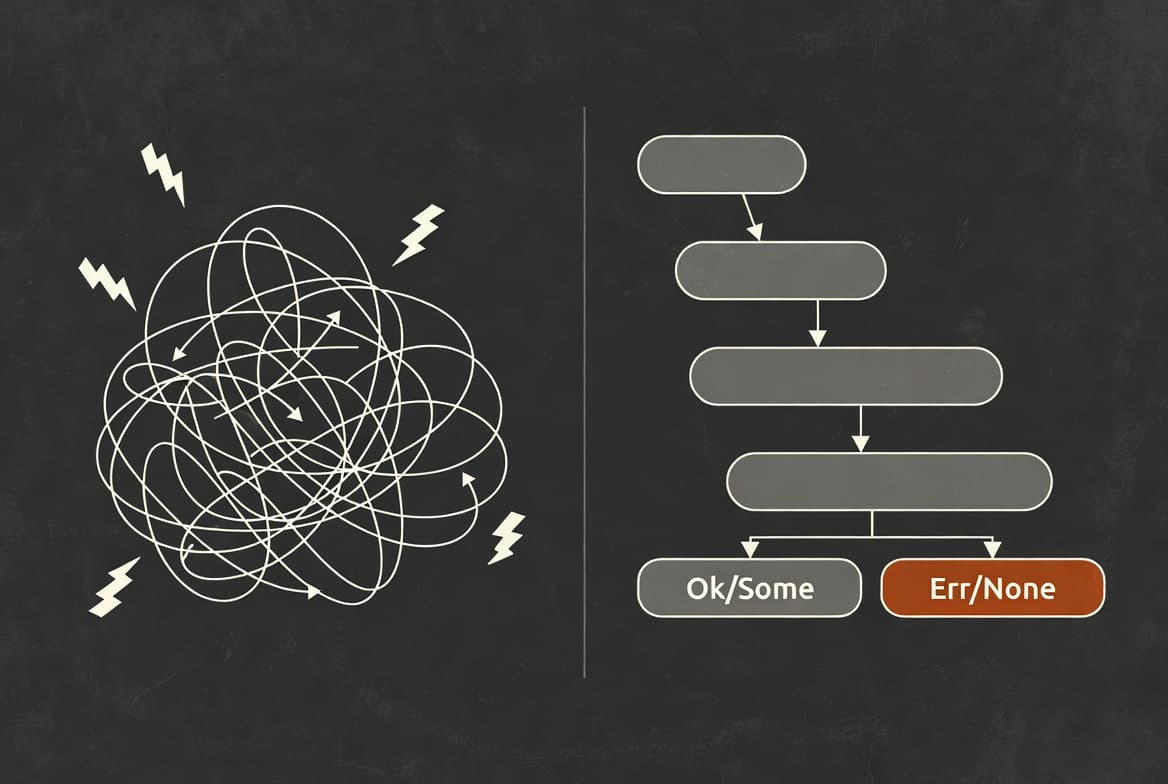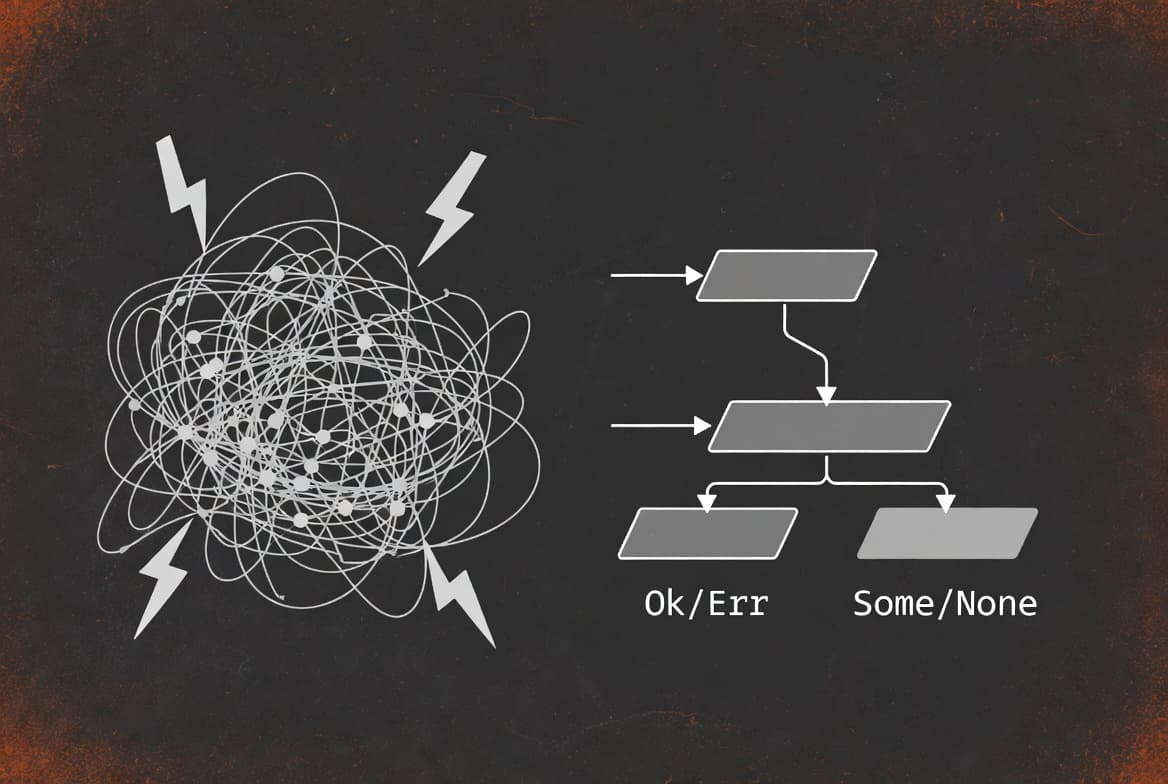
Rust doesn’t have exceptions — and that’s a feature
Why Rust’s explicit error handling with Result and Option leads to more reliable systems than hidden exception paths.
[ DIRECTORY: TECHNICAL ARTICLES & ON-CHAIN INTEL ]

Why Rust’s explicit error handling with Result and Option leads to more reliable systems than hidden exception paths.

Why Rust’s explicit error handling with Result and Option leads to more reliable systems than hidden exception paths.

Why Rust brings systems programming back into mainstream product engineering by combining low-level control with modern safety and tooling.

Why Rust brings systems programming back into mainstream product engineering by combining low-level control with modern safety and tooling.

Why Rust’s ownership model gives you memory safety and predictable performance without a GC — and what that really means in practice.

Why Rust feels painful at first not because it is impossible, but because it forces you to confront problems other languages let you ignore.

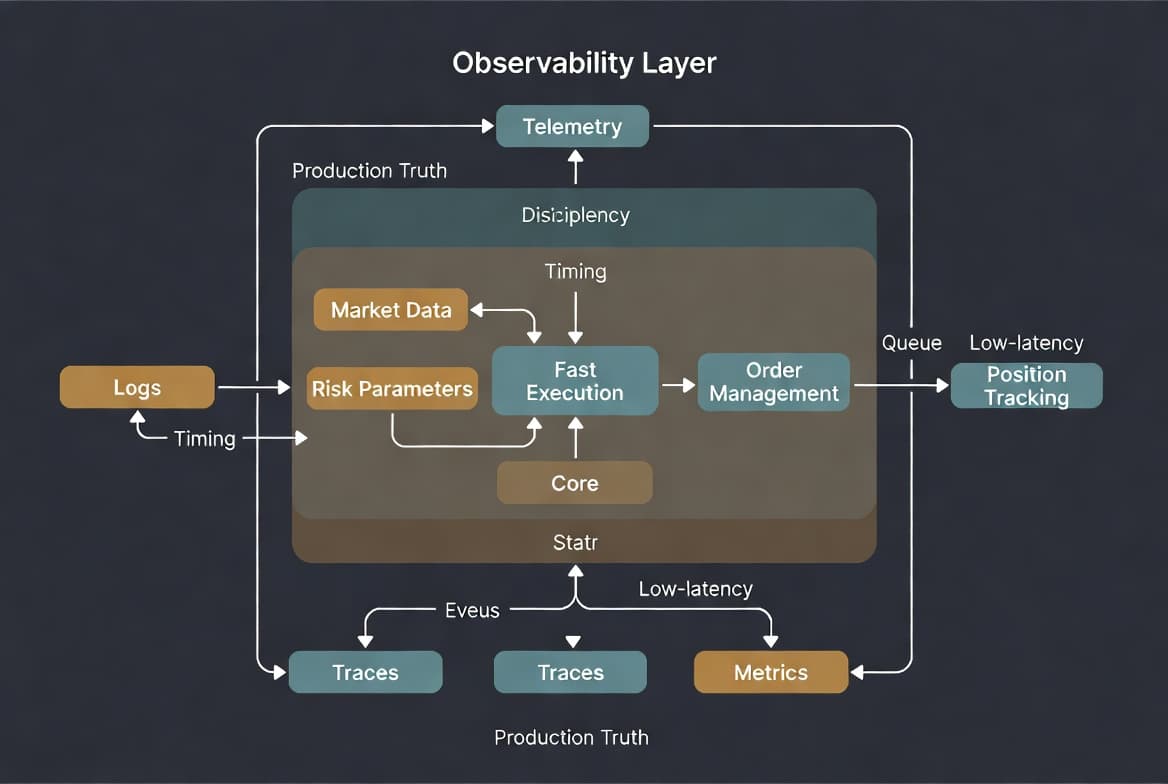
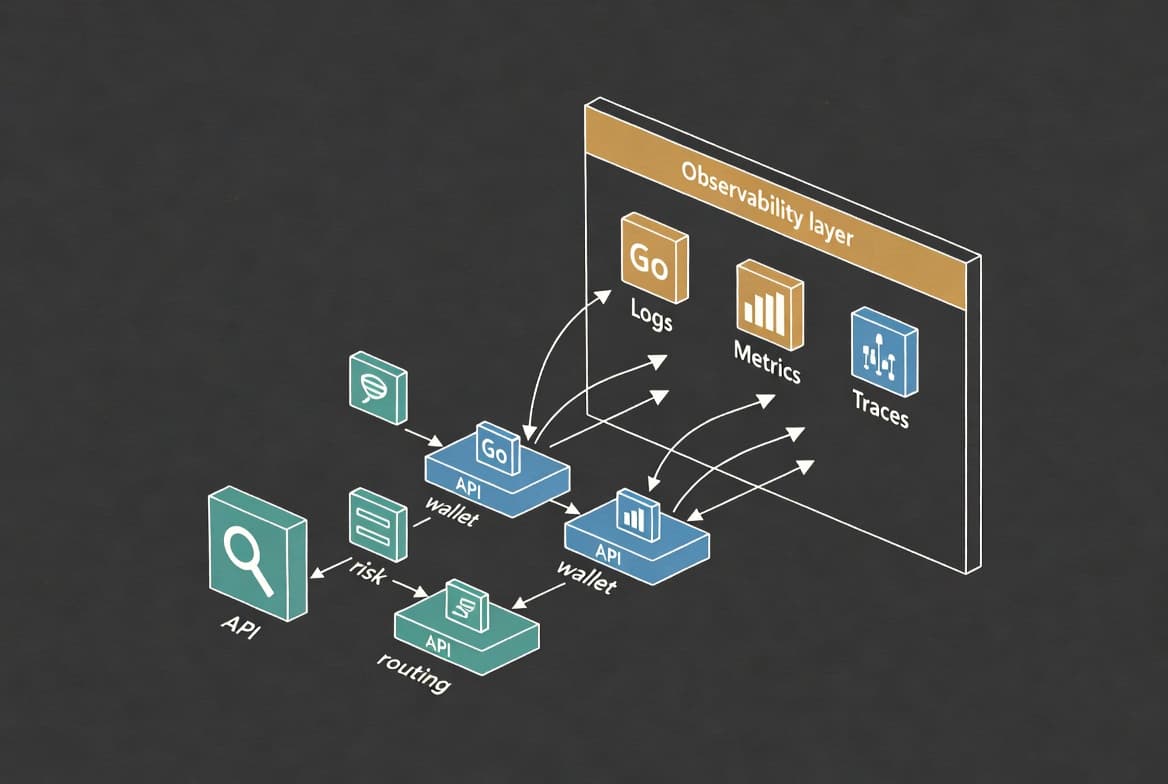
Why tracing, metrics, and structured logs are essential for understanding async Rust systems in production.

Why async Rust is a high-performance tool for I/O-bound systems, but easy to misuse through blocking calls, poor task boundaries, and unclear concurrency patterns.

Why Rust’s ownership, types, and invariants nudges teams toward cleaner architecture and more honest domain models instead of just piles of functions.

Why Rust's guarantees, tooling, and culture tend to improve team-wide confidence, collaboration, and long-term ownership of critical systems.

Why Rust codebases often evolve with clearer boundaries, stricter ownership, and less hidden fragility than codebases built in more permissive systems languages.

Why some of the best Rust code avoids cleverness, favors explicit structure, and becomes more maintainable precisely because it looks boring.

Why Rust’s explicit unsafe model is often better than languages where dangerous behavior stays mixed into ordinary code.

Why Rust is more than a safer systems language, and how its guarantees change what engineering teams can realistically trust in production.

Why Rust’s learning curve comes from ownership, borrowing, and explicit reasoning — and why that friction often leads to better systems.

Why Rust is not only about speed and memory safety, but about forcing clearer thinking around ownership, invariants, and software correctness.

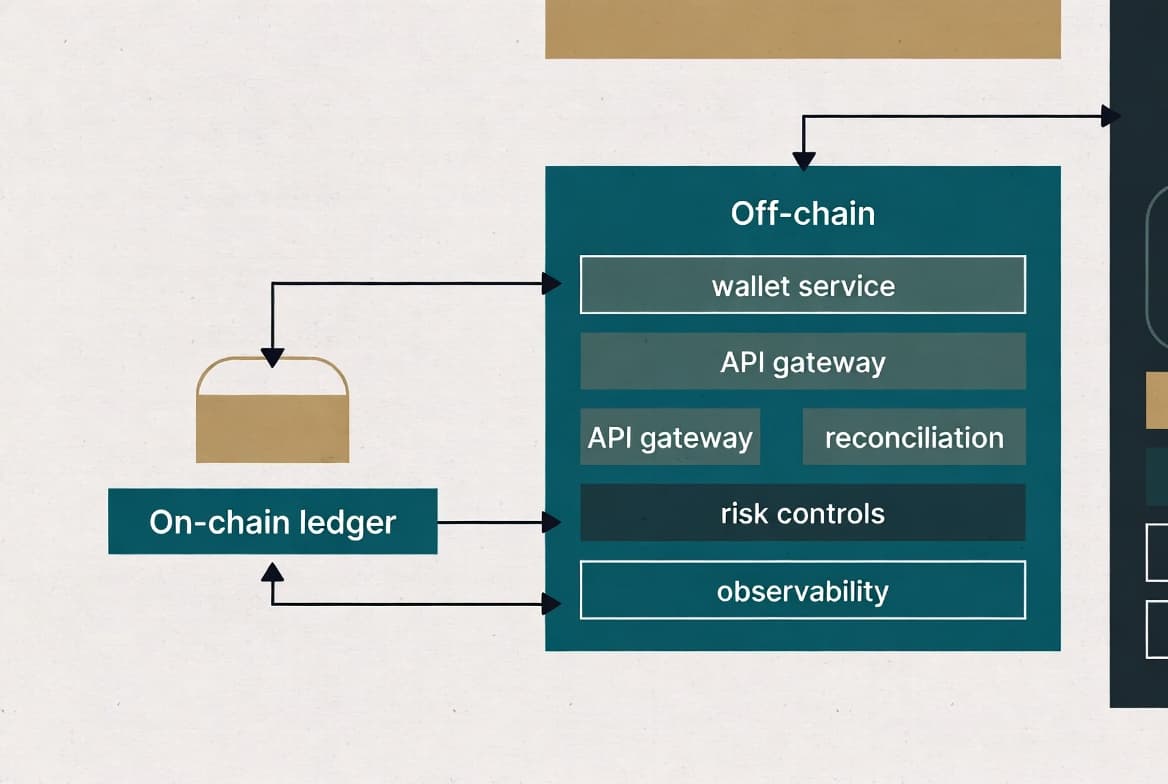
Why Rust matches the needs of blockchain, DeFi, and on-chain infrastructure where performance, determinism, and safety all matter at once.

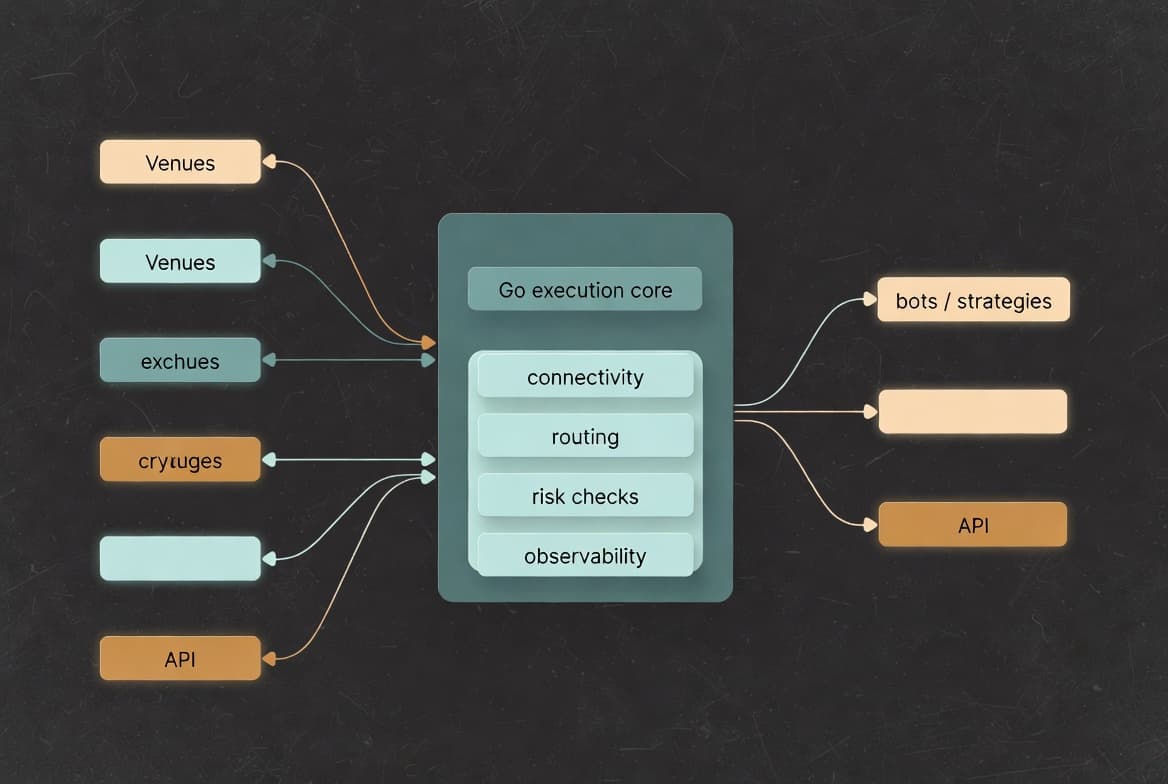
Why Rust is increasingly attractive for financial systems, crypto infrastructure, and software where performance, safety, and concurrency all matter at once.

How Rust combines high performance, memory safety, and safer concurrency for systems that cannot afford fragile code.

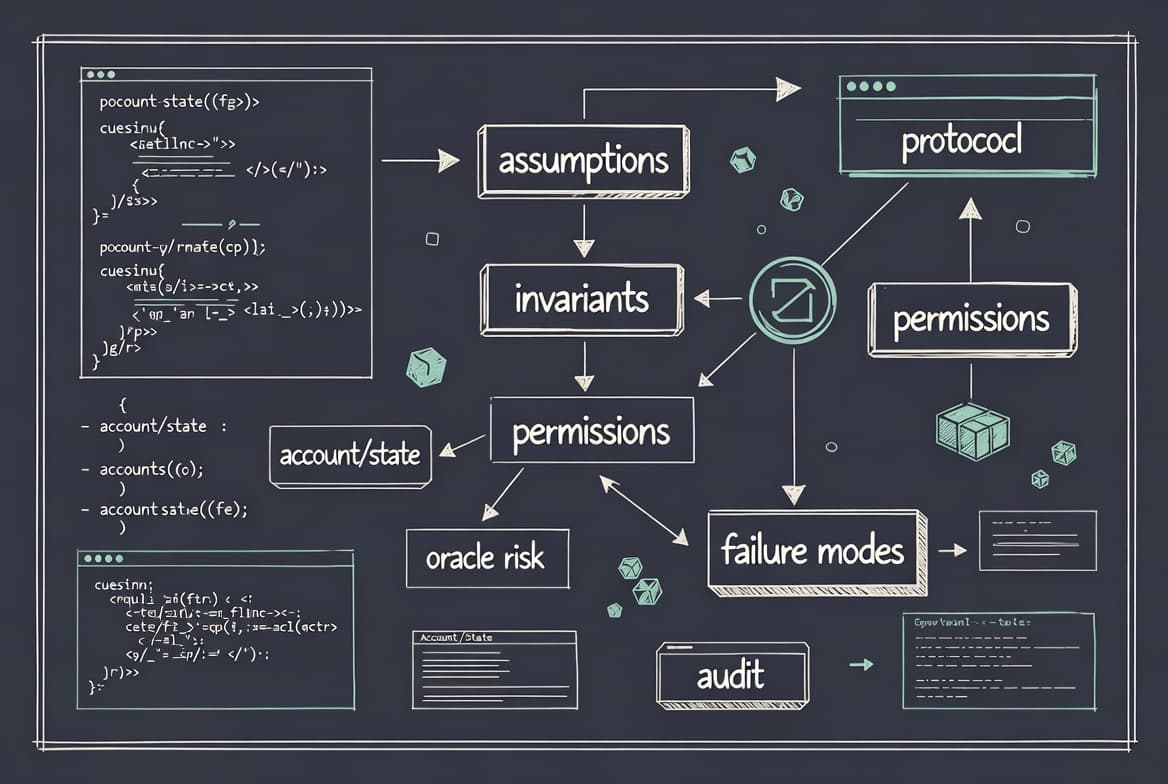
Why smart contract security is really about assumptions, invariants, permissions, and failure modes — not just audits before launch.

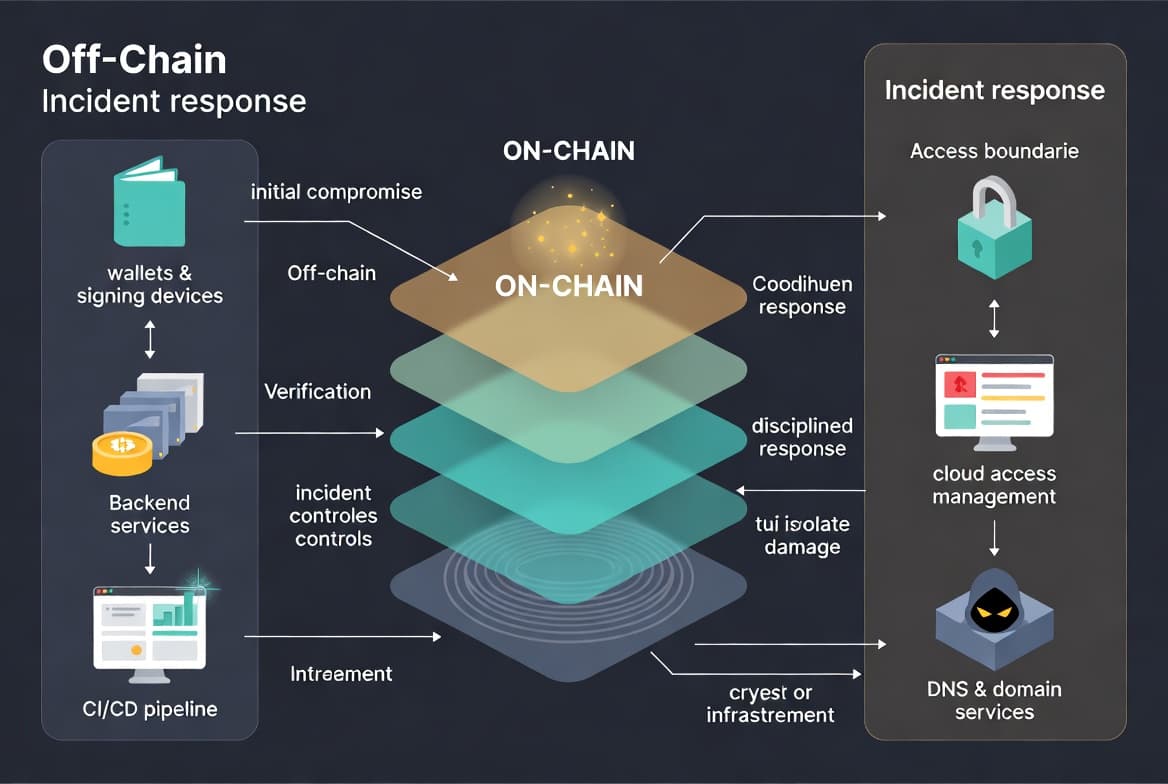
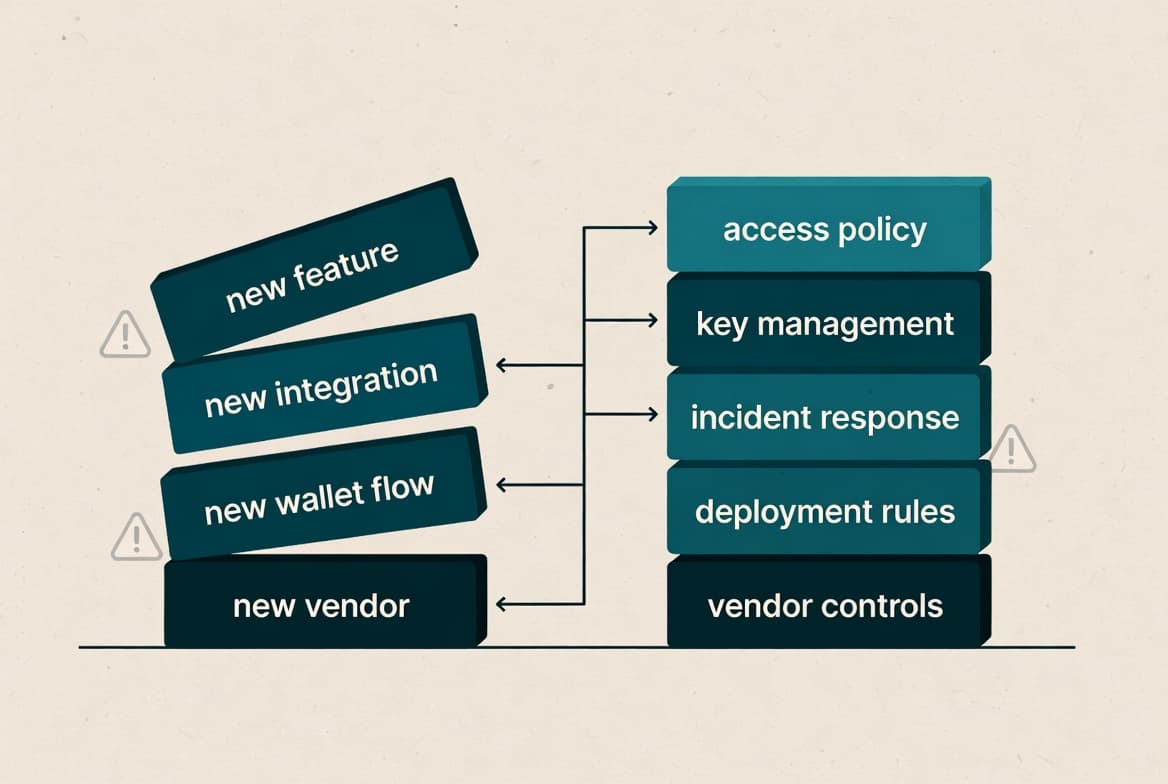
Why early security policies, access controls, incident procedures, and operational discipline matter more than shipping one more feature.

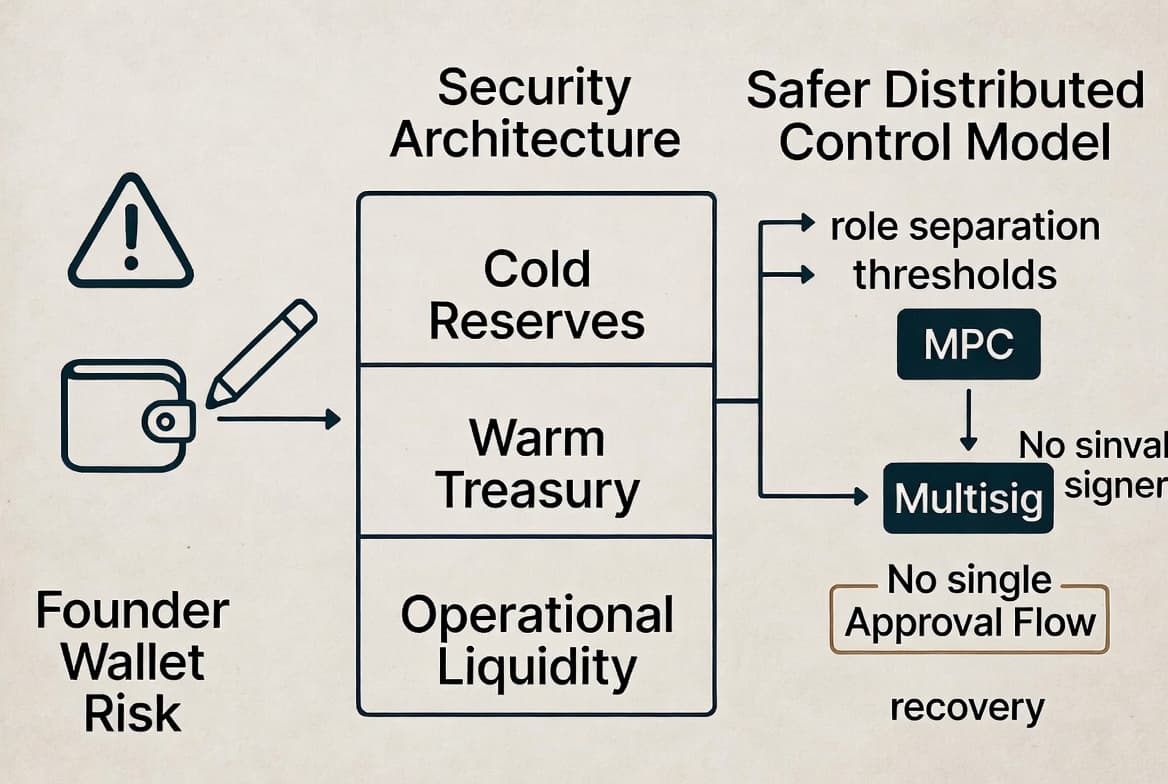
Why crypto treasury security depends on role separation, MPC or multisig controls, cold storage, approval flows, and founder-risk reduction.

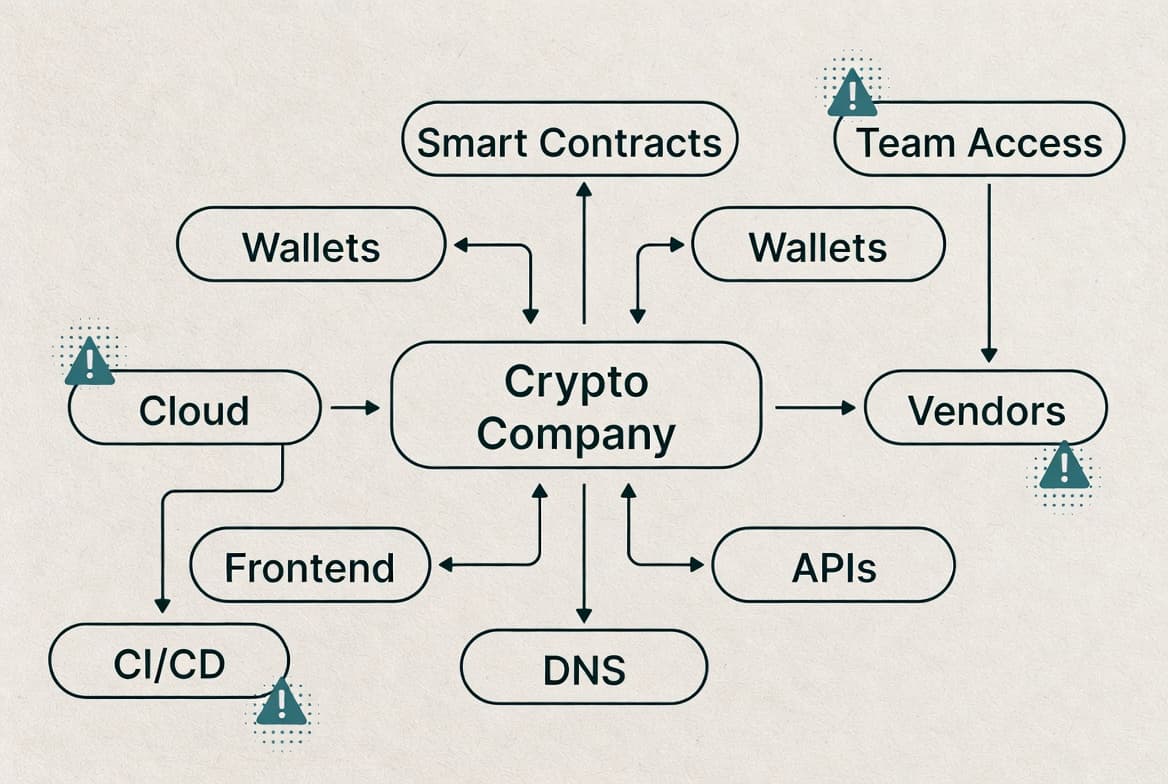
Why the attack surface of a crypto company includes contracts, wallets, APIs, cloud systems, domains, vendors, and internal human access.

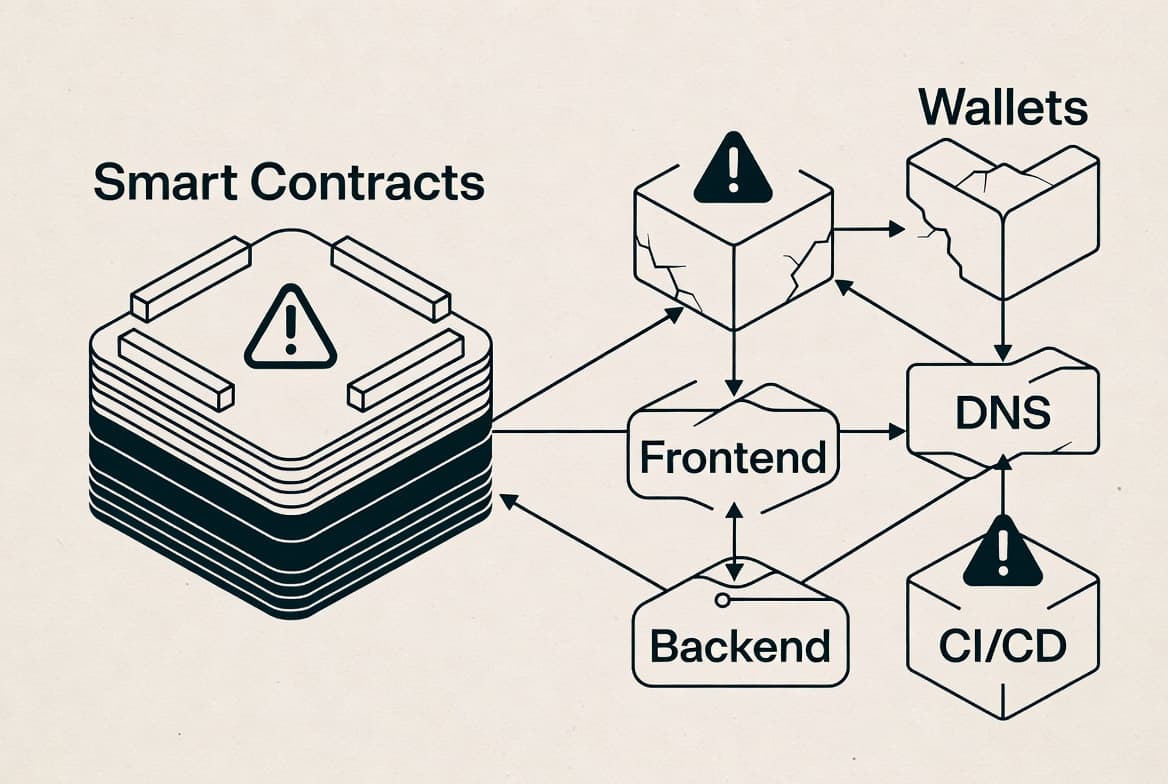
Why many crypto projects harden smart contracts while leaving wallets, domains, CI/CD, backend systems, and incident response dangerously exposed.

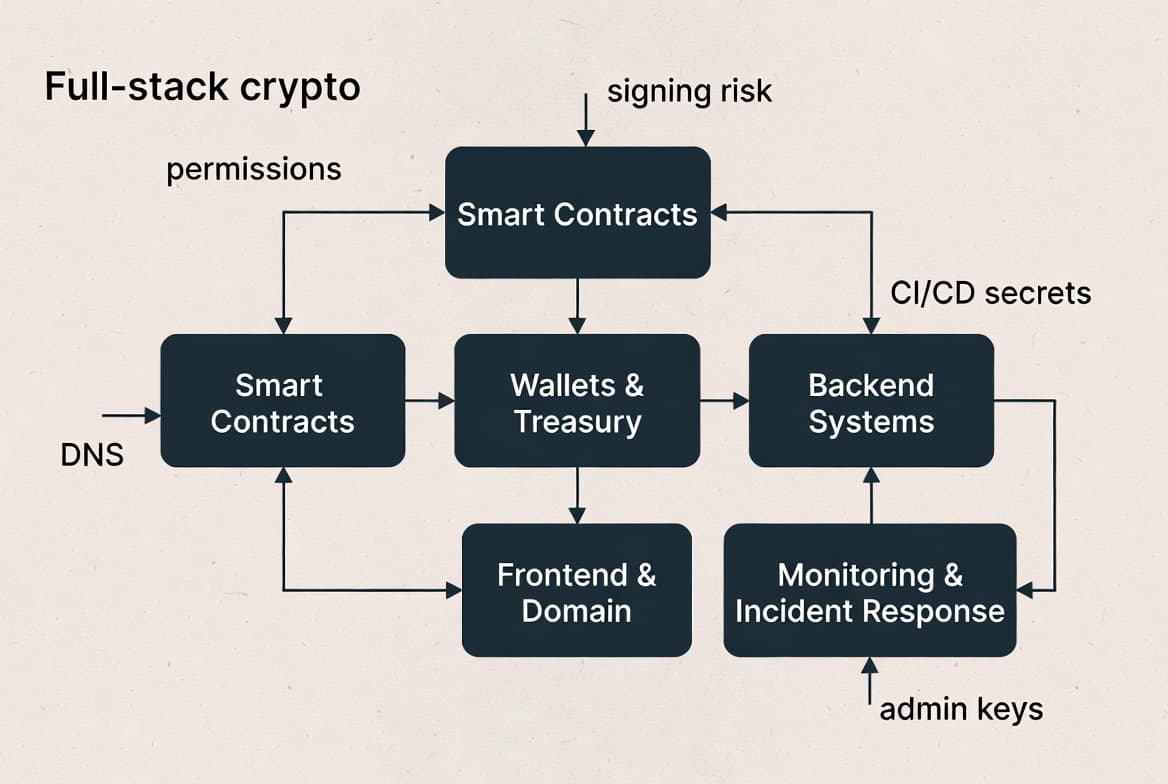
Why serious crypto security must cover smart contracts, wallets, backend systems, frontend risks, treasury controls, and incident response.

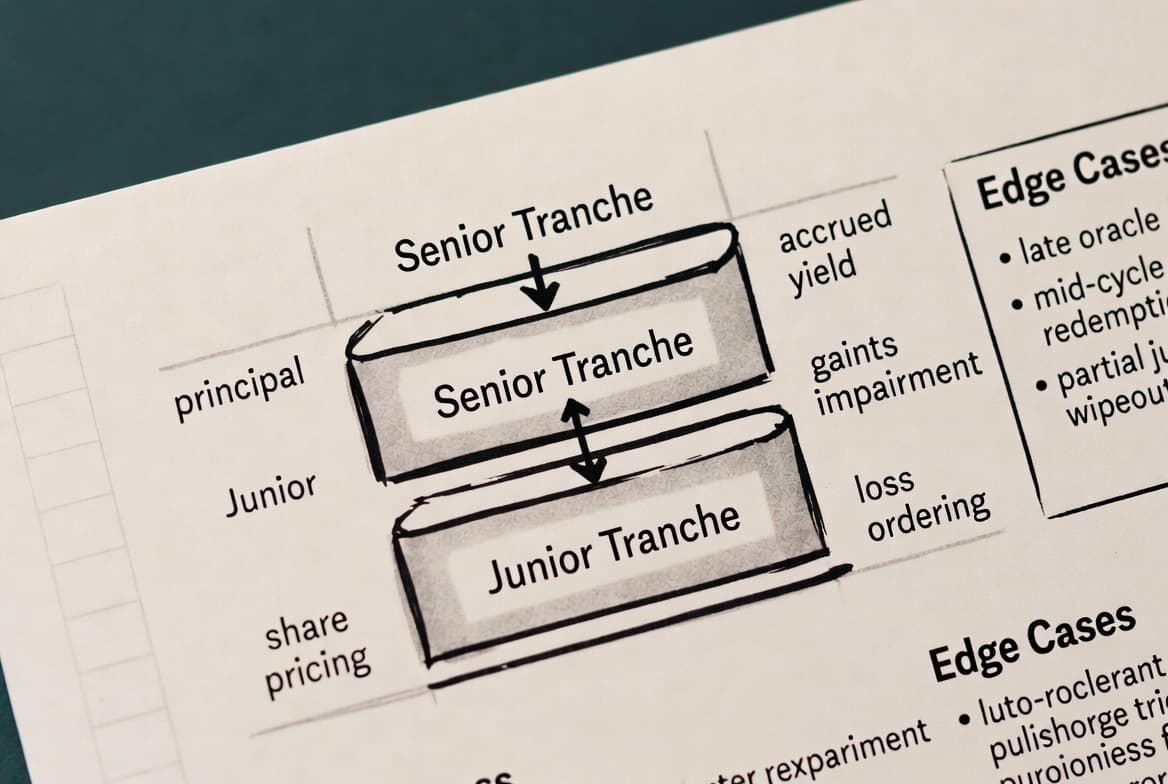
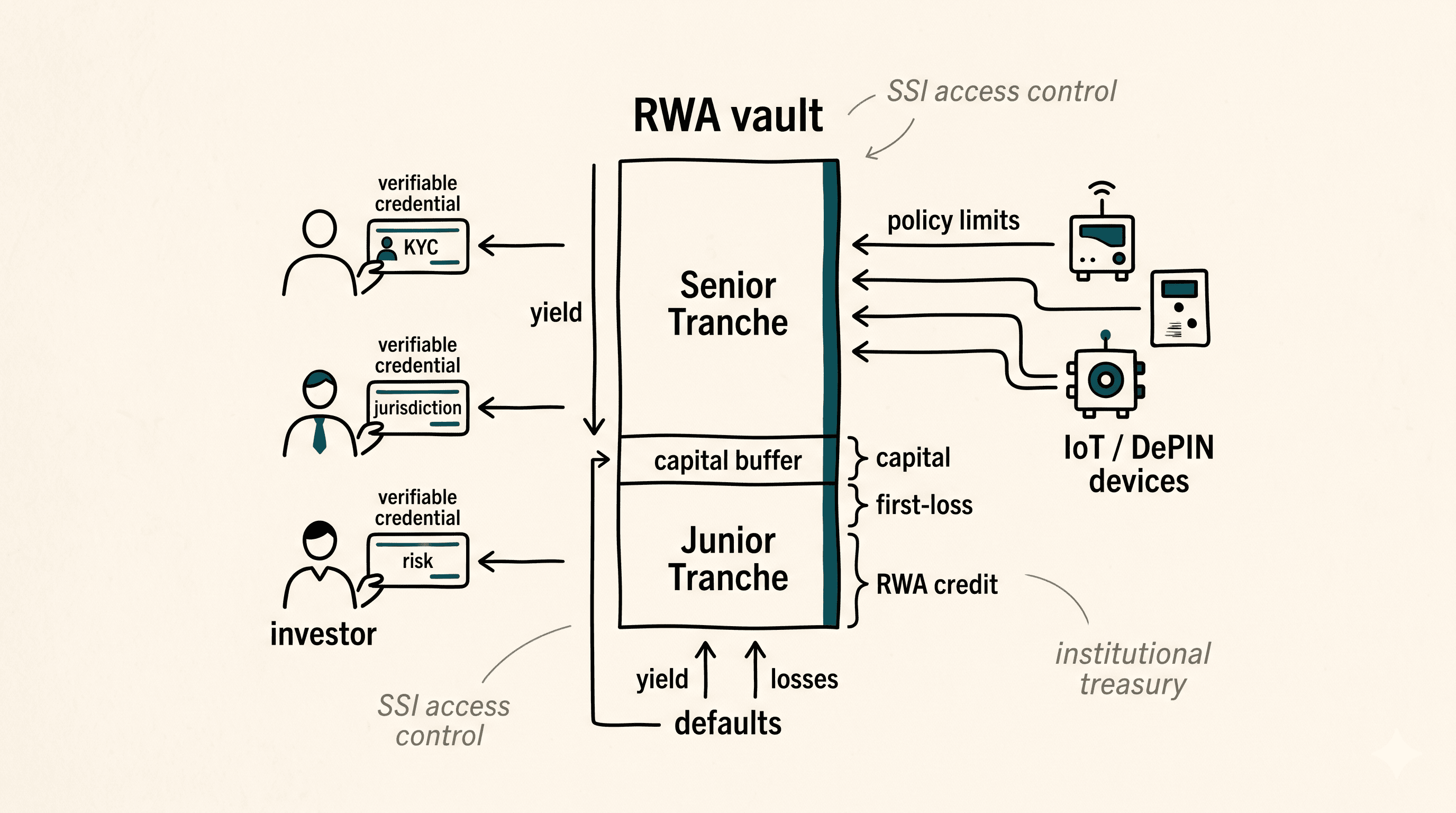
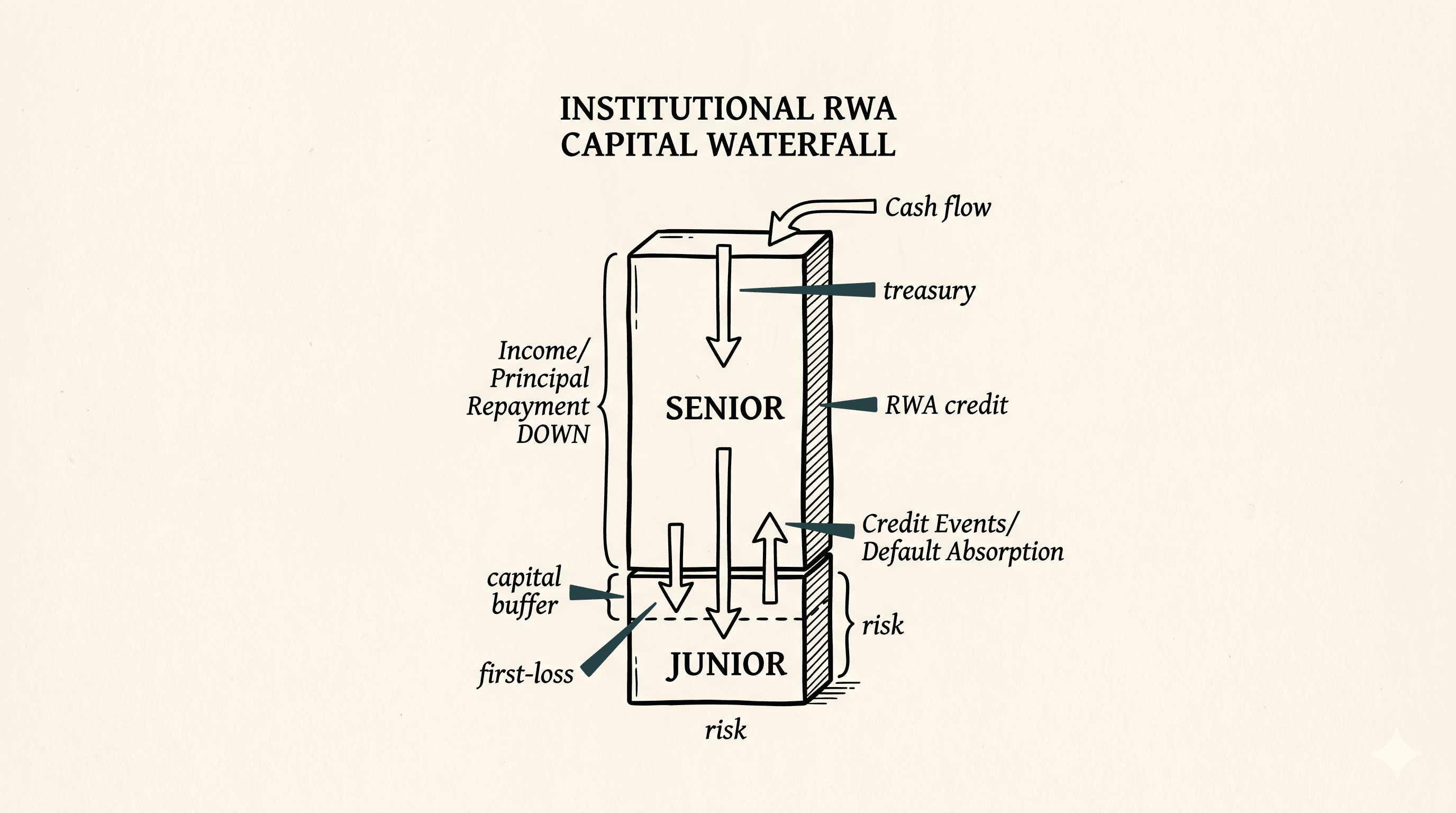
A practical guide to tranche waterfall design, loss ordering, and accounting edge cases for serious RWA vaults.

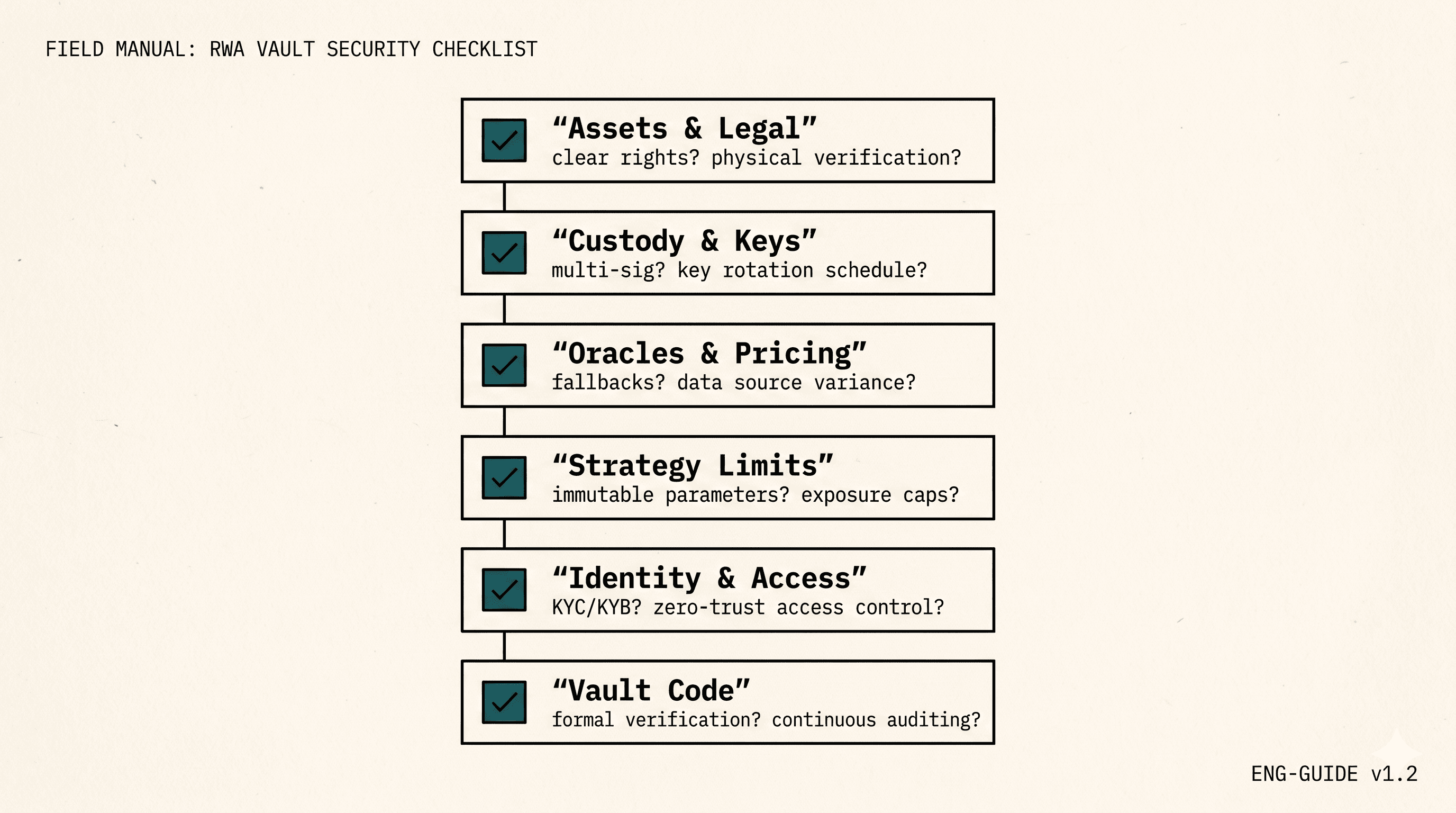
A pragmatic checklist for evaluating the security of RWA yield vaults, from legal structure and custody to oracle risk and smart contract design.

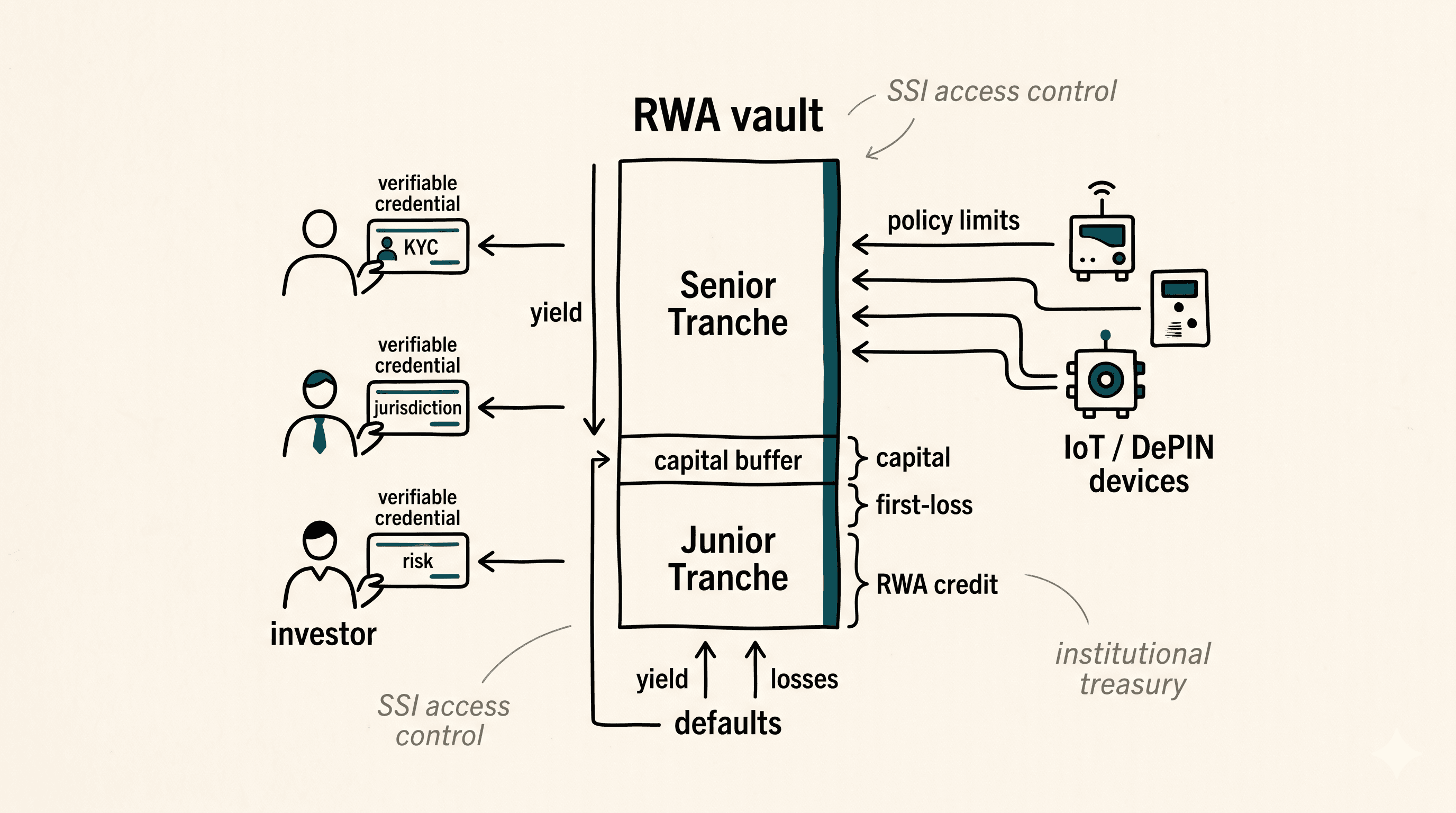
Why self-sovereign identity is a better foundation for KYC, eligibility checks, and investor protections in institutional RWA yield protocols.

A practical look at how STRATA uses Authorization PDAs and Anchor account constraints to enforce access rules for institutional RWA vaults.

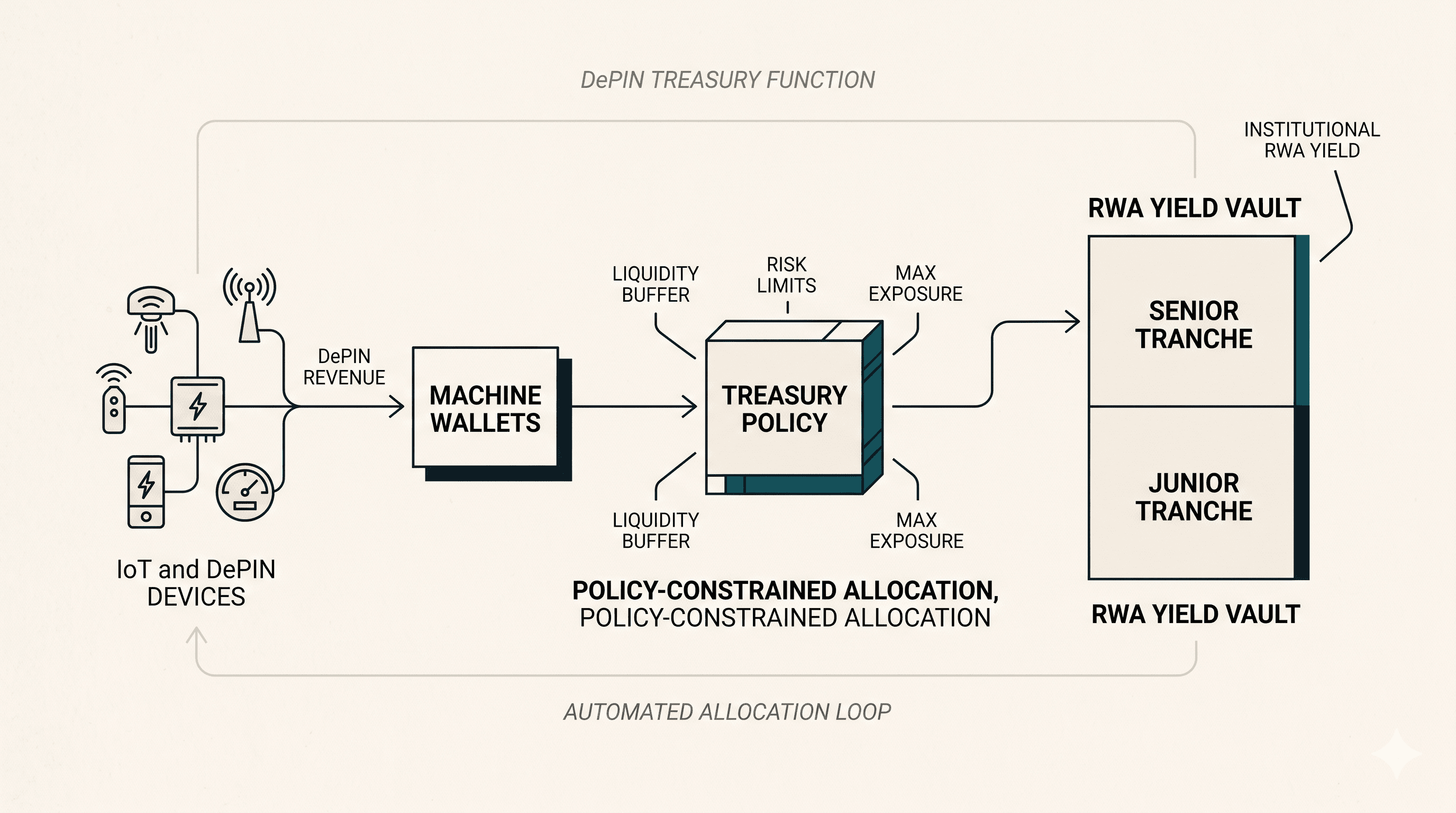
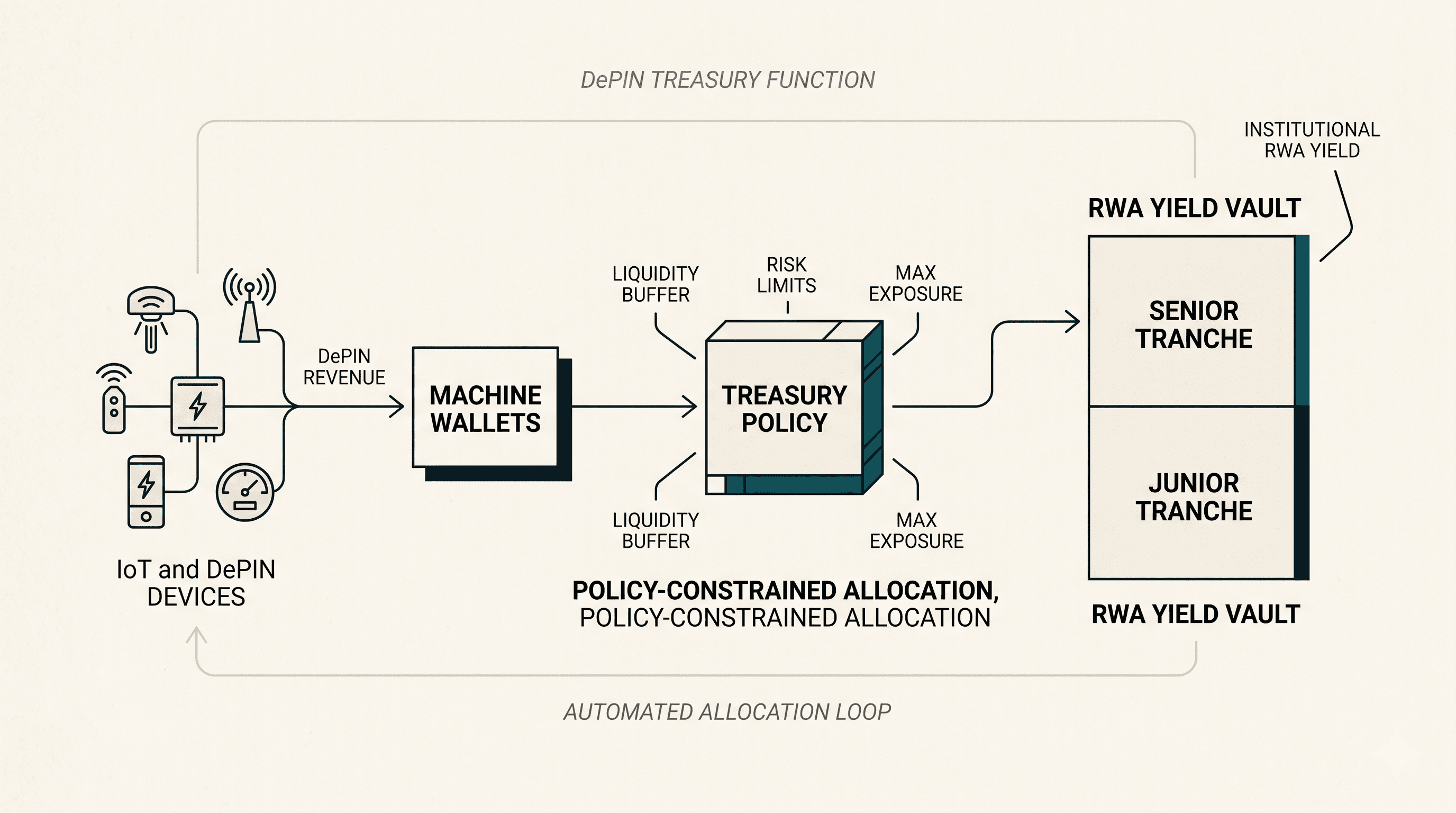
How DePIN and IoT networks use machine wallets, policy constraints, and RWA yield vaults to turn physical operations into programmable treasury flows.

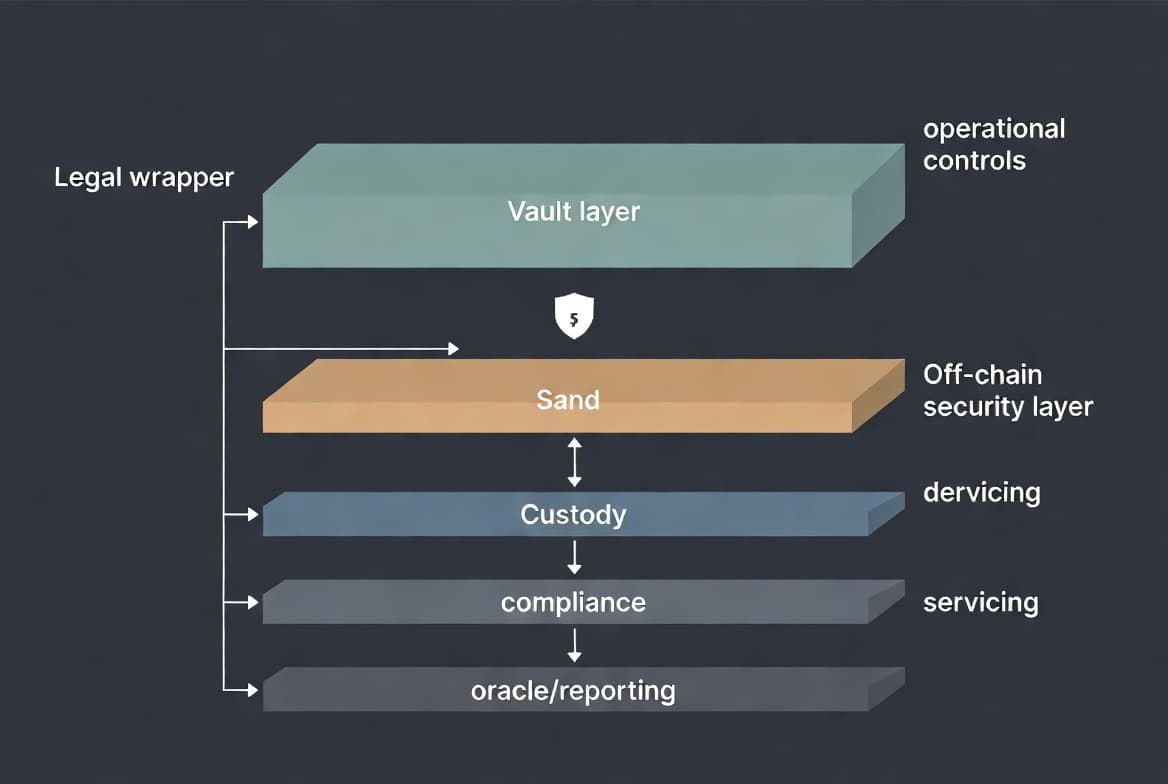
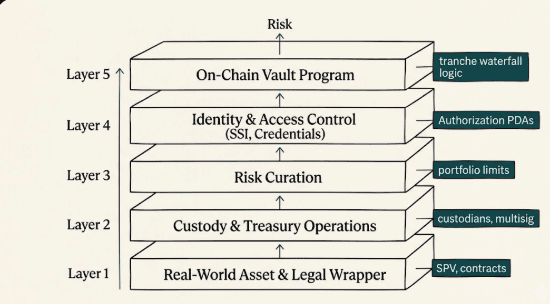
Why serious RWA yield protocols need a layered security model that covers legal structure, custody, risk curation, and on-chain vault code.

How to structure senior and junior tranches, capital buffers, and risk waterfalls so RWA yield vaults can actually serve institutional treasuries.

Why self-sovereign identity in DeFi is the missing piece for institutional-ready RWA yield protocols.