
Cryptographic Telemetry Validation Engine
A zero-trust hardware and sensor data verification engine designed to validate physical-world telemetry before it touches enterprise applications, AI models, or smart contracts. It enforces cryptographic device signatures, temporal sequence controls, physical coherence checks, and automated quarantine routing to eliminate spoofed, corrupted, or manipulated sensor feeds.
Core Capabilities
Cryptographic Device Identity & Signature Verification
- ■Hardware-backed digital signature validation (Ed25519/ECDSA) for every incoming sensor packet
- ■Public Key Infrastructure (PKI) mapping verifying device authorization and firmware attestation
- ■Decentralized Identifiers (DIDs) linking physical meters, sensors, and gateways to immutable credentials
- ■Instant rejection of unauthorized or spoofed gateway payloads at the ingestion boundary
Temporal Sequence & Replay Attack Defense
- ■Monotonic counter and non-repeating cryptographic nonce verification per data stream
- ■Strict timestamp delta checks ensuring packets originate within acceptable latency windows
- ■Deterministic detection and elimination of duplicate and delayed telemetry transmissions
- ■Immutable chronological sequence reconstruction across distributed asynchronous edge nodes
Physical Coherence & Cross-Metric Consistency
- ■Mathematical cross-verification comparing instantaneous power draw with cumulative energy consumption
- ■Hydraulic continuity checks matching upstream distribution volume against individual sub-meter sums
- ■Dynamic operational boundary assertions detecting sensor drift and physically impossible values
- ■Corroboration of multi-sensor telemetry (e.g., thermal, vibration, acoustic) to confirm machine states
Multi-Tier Trust Classification & Dynamic Scoring
- ■Automated trust-scoring engine evaluating message completeness, latency, and historic reliability
- ■Granular four-tier routing pipeline: Accepted, Quarantined, Rejected, or Human Review
- ■Reputation decay algorithms for hardware nodes exhibiting anomalous or intermittent behaviors
- ■Cryptographic proof generation attaching verifiable trust levels to validated telemetry batches
Automated Quarantine & Blockchain Attestation
- ■Isolated quarantine sandboxes preventing contaminated datasets from degrading AI training or ERP states
- ■Real-time dispatch of containment webhooks and alerts to plant engineers and compliance officers
- ■Periodic cryptographic root-hash anchoring to distributed ledgers for immutable audit logs
- ■Deterministic replay capability for post-incident forensic analysis and dispute resolution
How It Works
Device Provisioning & Cryptographic Identity Setup
Edge nodes, gateways, and smart meters are provisioned with secure hardware keypairs, DIDs, and enrollment certificates registered within the trust layer.
Ingestion Boundary & Signature Attestation
As telemetry arrives via MQTT or gRPC, the validation engine authenticates device identity, verifies digital signatures, and drops unverified payloads.
Temporal & Sequence Integrity Verification
The engine validates timestamps, checks monotonic counters, and rejects duplicate or out-of-order packets to prevent replay and manipulation attacks.
Physical Coherence & Anomaly Scoring
Cross-metric algorithms cross-reference physical invariants (e.g., active power vs. kWh, input vs. output flow), calculating a dynamic trust score.
Policy Routing & Ledger Anchoring
Verified clean telemetry is routed to enterprise databases and AI models, anomalies enter quarantine, and cryptographic proofs are anchored on-chain.
Target Scenarios
DePIN & Decentralized Hardware Verification
Validating uptime proofs and physical telemetry submitted by independent hardware node operators before releasing smart contract token rewards.
Smart Utility Sub-Metering & Multi-Tenant Billing
Eliminating tenant billing disputes by verifying that water and electrical readings are authentic, continuous, and physically coherent.
Automated ESG & Carbon Credit Issuance
Providing mathematically verifiable sensor proofs of energy and water reductions required for regulatory compliance and certified green credits.
Industrial Manufacturing & Predictive Maintenance
Ensuring vibration, pressure, and thermal sensor inputs fed into predictive maintenance AI models are authentic and uncorrupted.
Tamper-Evident Cold Chain & Logistics
Validating continuous temperature and humidity sensor streams during pharmaceutical and food transit with cryptographic chain-of-custody proofs.
Tech Stack
Case Studies
DePIN Network Telemetry Anti-Spoofing Engine
Deployed the validation engine across 4,200 decentralized physical infrastructure nodes. Identified and quarantined over 120,000 synthetic spoofed telemetry submissions attempting to farm token incentives, maintaining 100% payout integrity.
Industrial Utility Telemetry Coherence Verification
Integrated cross-metric validation across 350 industrial energy meters. Detected uncalibrated current transformers causing a 14% discrepancy between instantaneous active power and cumulative billing, preventing substantial overbilling disputes.
Frequently Asked Questions
Why is a dedicated telemetry validation layer necessary for IoT and smart contracts?
Standard IoT backends assume that incoming packets from authenticated connections are accurate. However, sensors can fail, miscalibrate, or be physically manipulated to send false data. Our layer inspects the cryptographic authenticity, temporal consistency, and physical laws governing the data before it influences financial smart contracts, billing, or automated actuators.
How does the engine detect physical inconsistency in energy and water telemetry?
The engine applies mathematical invariant checks: for electrical telemetry, it continuously verifies that active power integrated over time matches cumulative energy registers (kWh) and that phase sums are physically coherent. For water systems, it cross-references main flow rates against downstream branch meters to catch unmetered bypasses or sensor freezing.
What happens when a data packet fails cryptographic or physical validation?
The packet is flagged and categorized based on failure severity. Minor statistical anomalies are flagged with a reduced trust score, while signature failures, timestamp replays, or extreme physical contradictions are immediately routed to an isolated quarantine store and trigger operator alerts.
Can this layer scale to millions of high-frequency sensor events per second?
Yes. The validation runtime is built in pure Rust utilizing lock-free concurrent pipelines, zero-copy packet deserialization, and multi-threaded cryptographic verification, achieving microsecond-level processing per packet at enterprise line-rates.
Related Content
When machines become LPs: DePIN treasuries and RWA yield
How DePIN and IoT networks use machine wallets, policy constraints, and RWA yield vaults to turn physical operations into programmable treasury flows.
Rust changes how engineers think about correctness
Why Rust is not only about speed and memory safety, but about forcing clearer thinking around ownership, invariants, and software correctness.
In Rust, your types are your first line of defense
Why Rust’s type system is not just about syntax, but about encoding domain rules and invariants so invalid states never compile.
Related Services
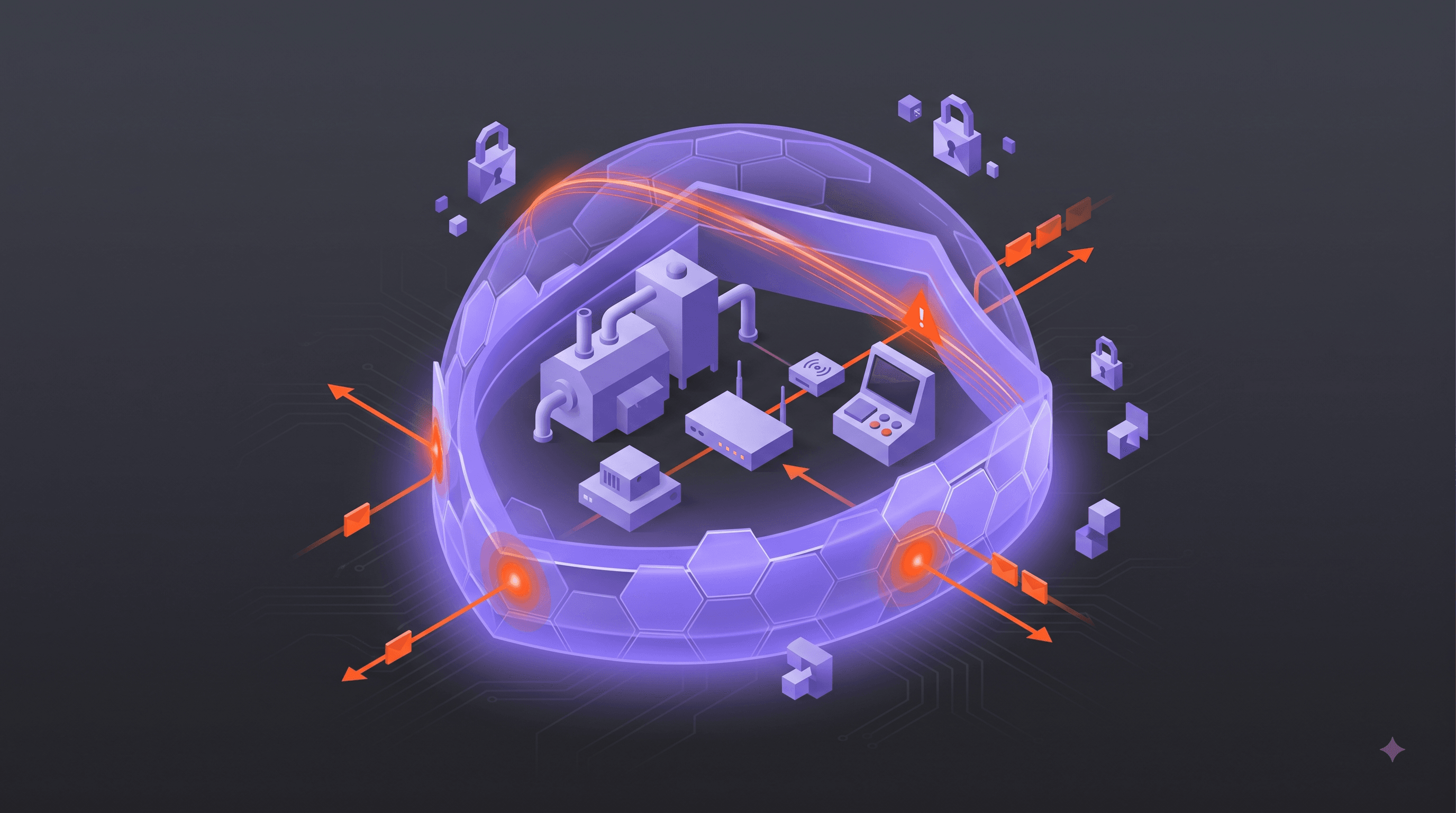 SERVICE // 01
Enterprise Blockchain
Decentralized ledger architectures, verifiable digital credentials, and immutable audit trails for multi-stakeholder operations.
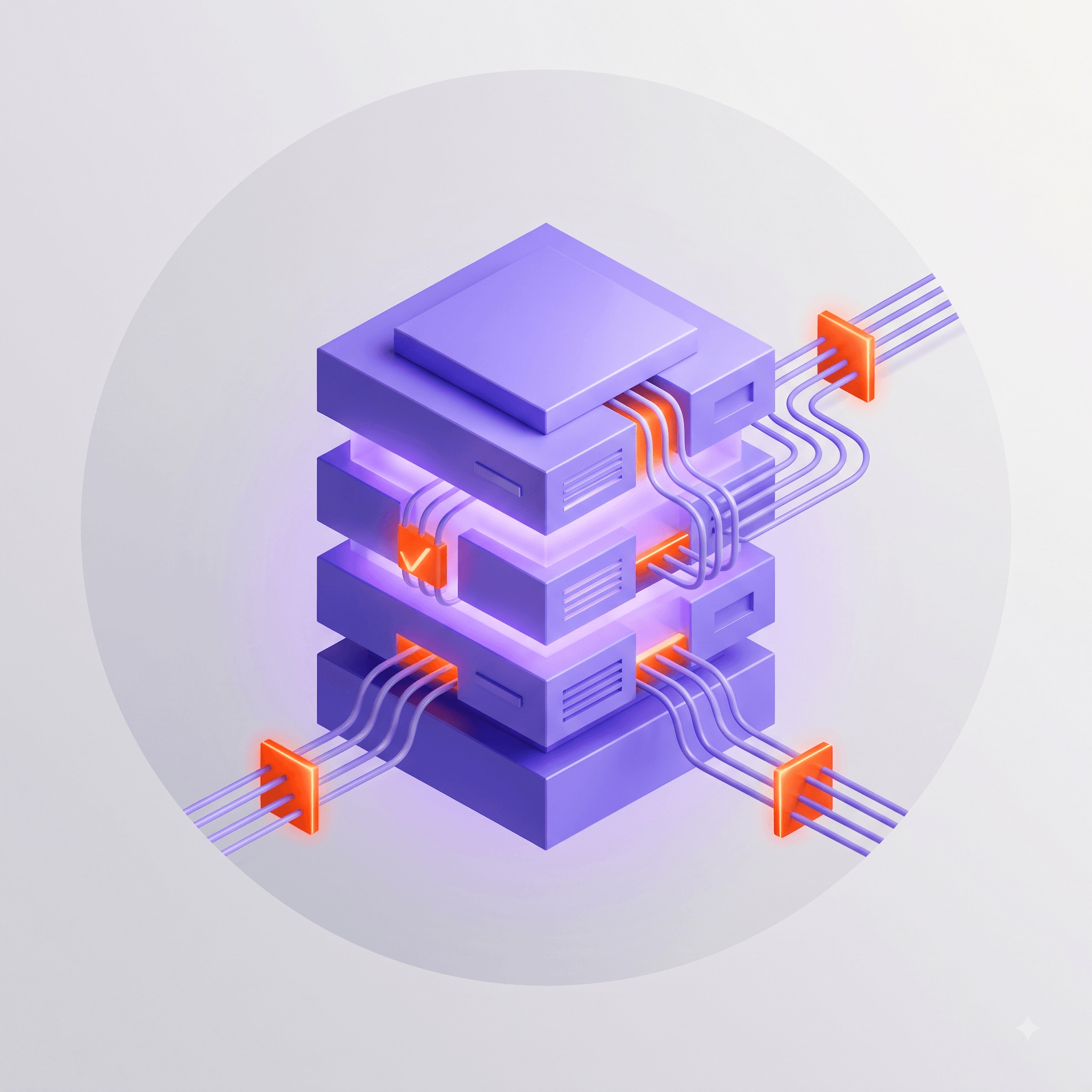 SERVICE // 02
Backend & CI/CD Hardening
Zero-trust API gateways, memory-safe Rust microservices, and cryptographically signed deployment pipelines.
 SERVICE // 03
Autonomous Agentic AI
Autonomous AI agents engineered to ingest physical telemetry, execute deterministic toolchains, and enforce zero-trust policies.