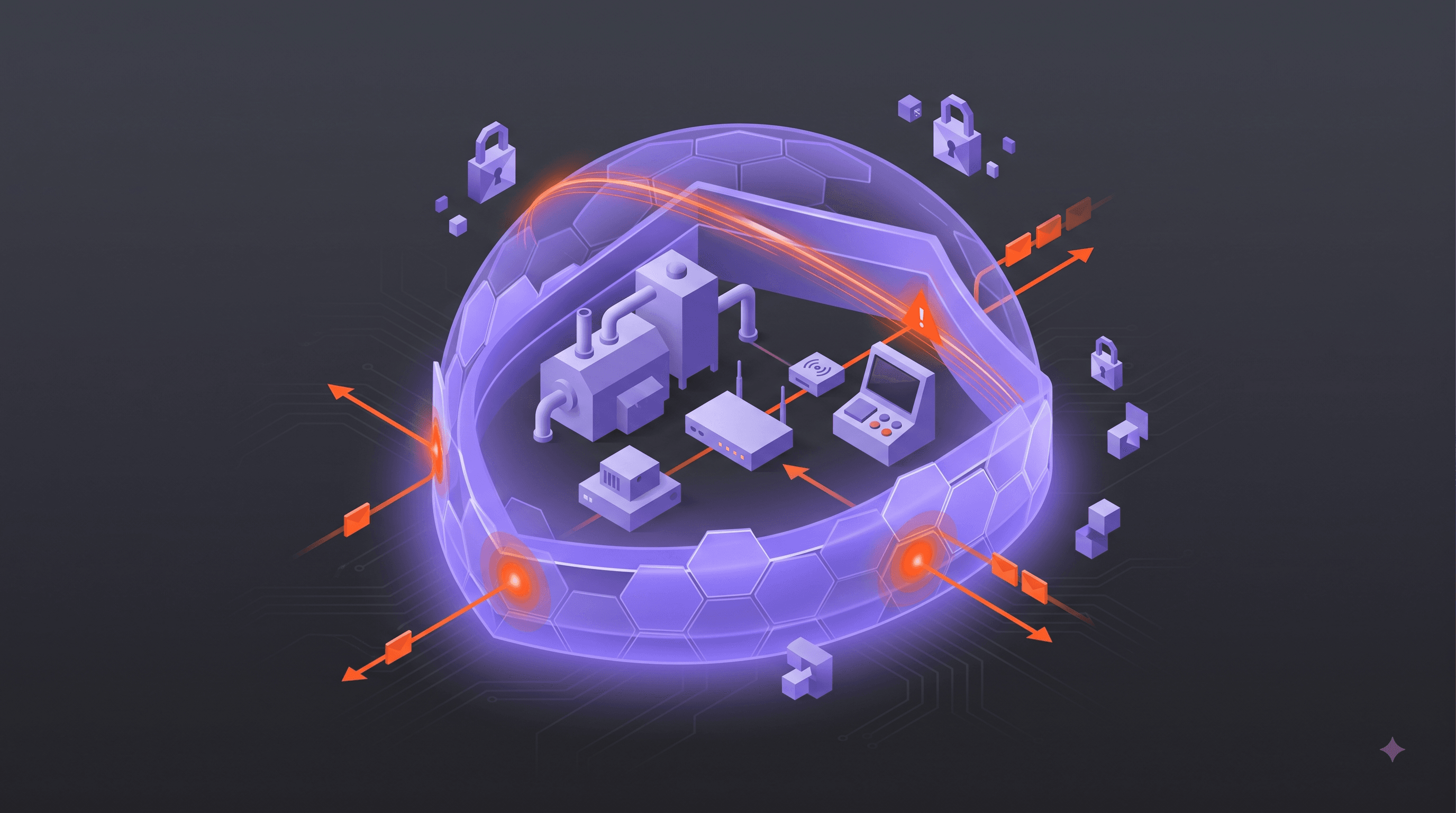
Enterprise Blockchain Infrastructure
We engineer production-grade distributed ledger architectures, decentralized identity registries, verifiable credential ecosystems, and digital product passports. We bridge physical assets, industrial machines, and corporate software into tamper-proof, auditable multi-organization networks.
Core Capabilities
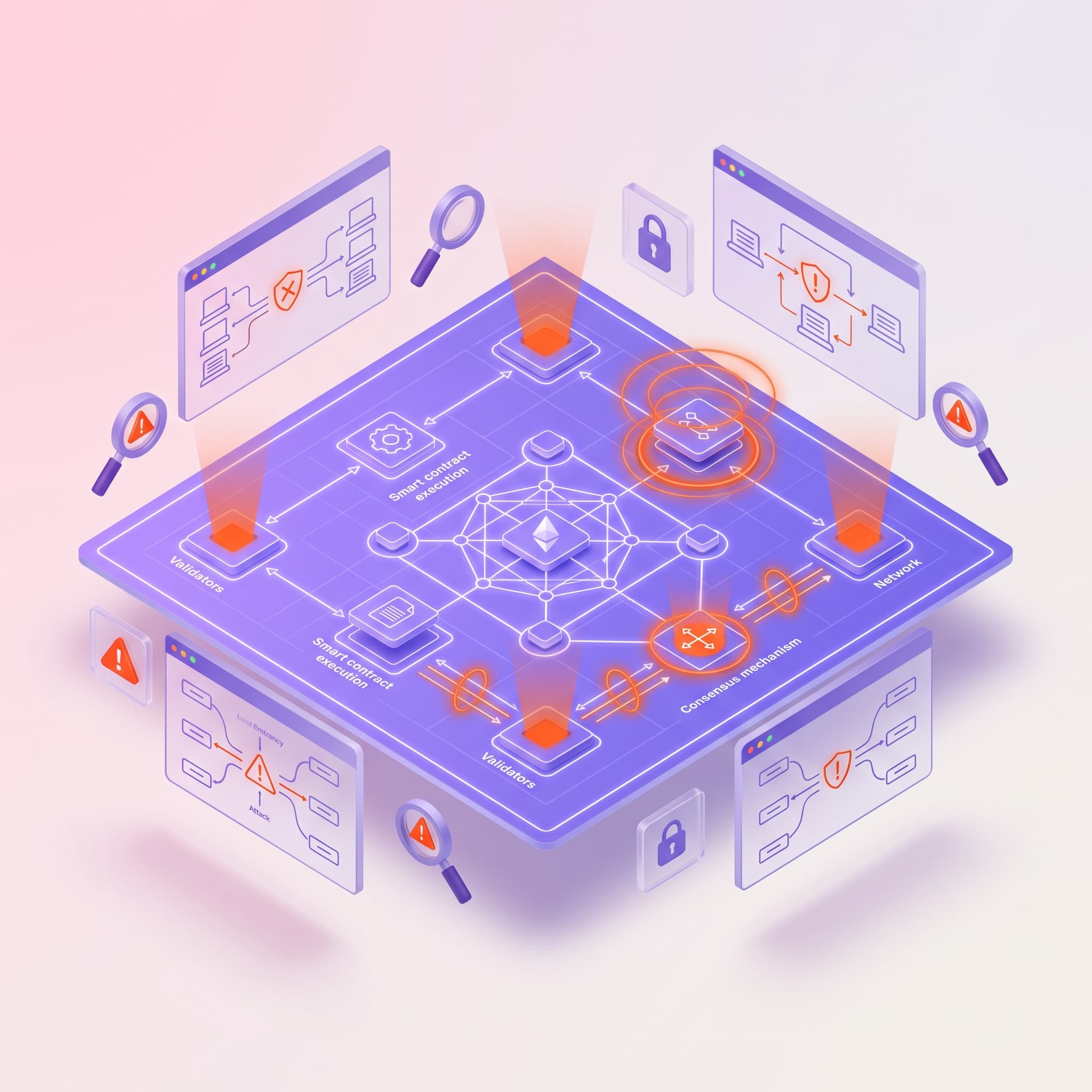
Decentralized Identifiers & Verifiable Credentials
- ■W3C-compliant Decentralized Identifiers (DIDs) for organizations, operators, and physical machines
- ■Verifiable Credential (VC) issuance, presentation, and instant cryptographic verification pipelines
- ■Zero-Knowledge Proof (ZKP) circuits enabling selective disclosure and privacy-preserving compliance
- ■On-chain revocation registries and dynamic cryptographic key lifecycle management
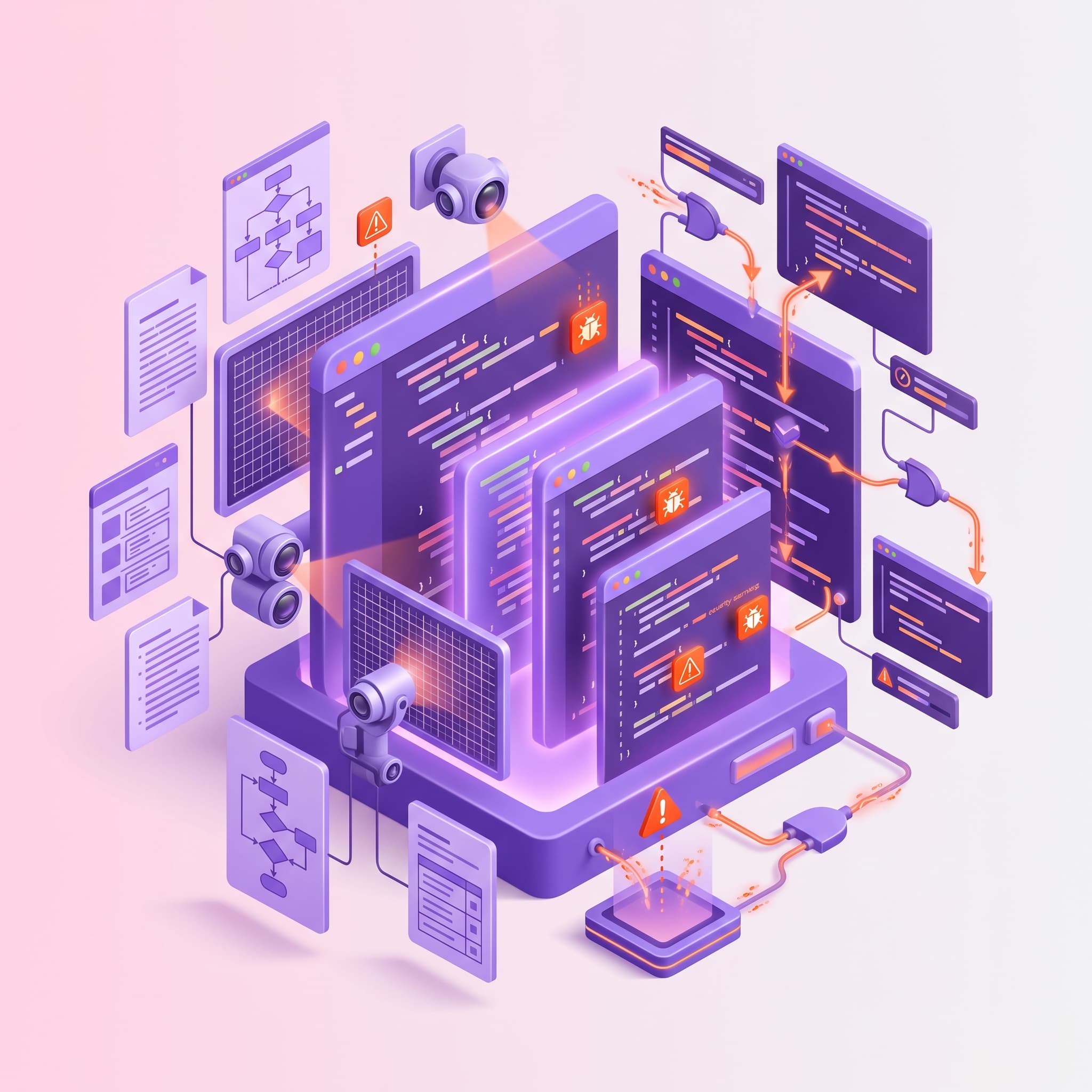
Digital Product Passports & Asset Digital Twins
- ■Persistent token-bound asset identities mapping origin, technical specifications, and serial numbers
- ■End-to-end lifecycle recording from raw materials and manufacturing to maintenance and recycling
- ■Circular economy verification and automated ESG compliance reporting for regulatory frameworks
- ■Cryptographic proof of repair, parts replacement, and end-of-life material recovery
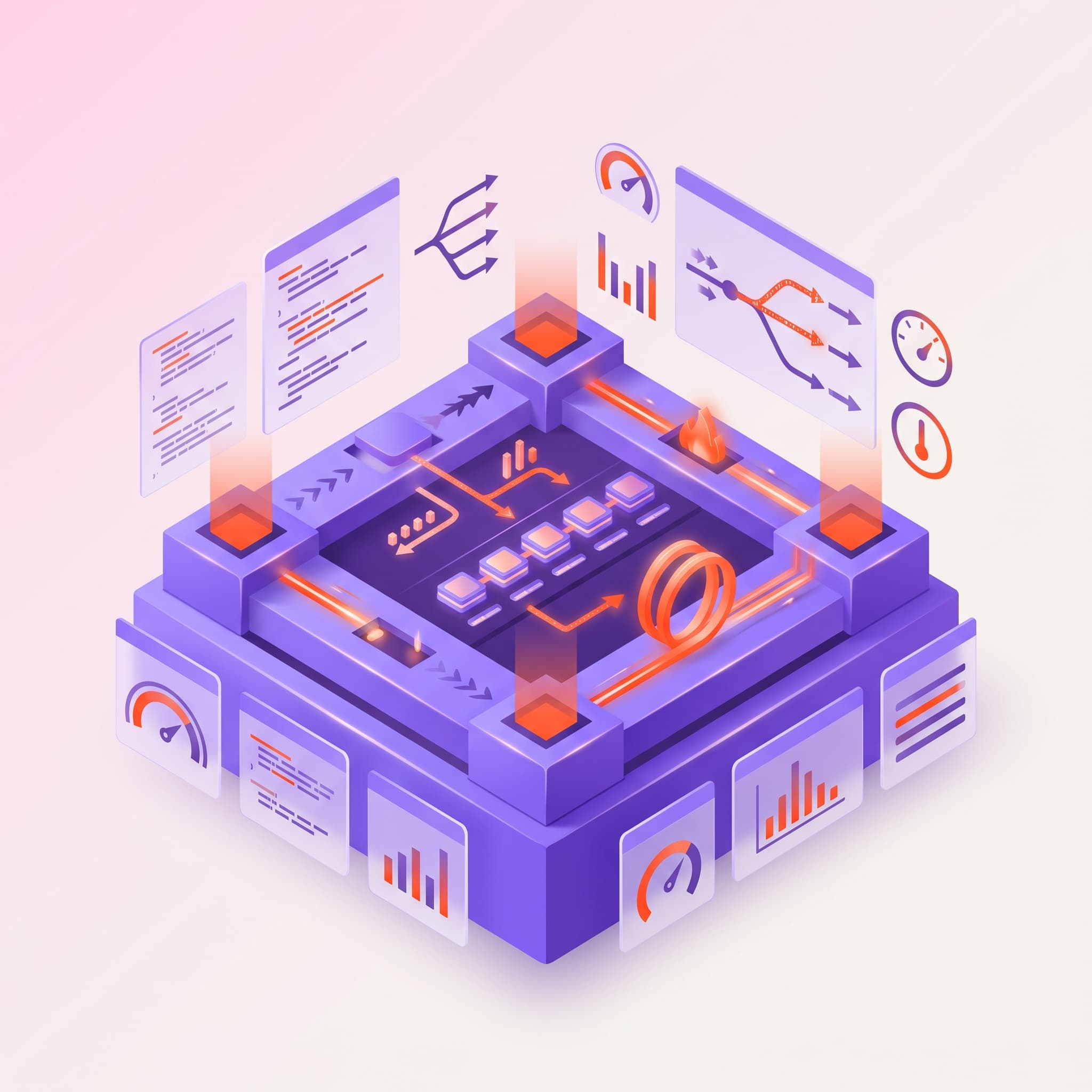
Cryptographic Traceability & Chain of Custody
- ■Multi-stakeholder responsibility handoffs sealed with verifiable digital signatures
- ■Timestamped geospatial and telemetric evidence anchoring for transit validation
- ■Elimination of counterparty disputes through shared, append-only operational event logs
- ■Deterministic audit trail reconstruction for cross-border logistics and regulated goods

High-Throughput Telemetry Anchoring
- ■Hybrid architecture: high-frequency IIoT sensor streaming off-chain with periodic on-chain root proof anchoring
- ■Hardware-level cryptographic signature verification for edge gateways and smart meters
- ■Deterministic detection of telemetry tampering, sequence gaps, and replay attacks
- ■Automated data quarantine and trust-score scoring prior to smart contract state commitment

Consortium Ledgers & Custom Smart Contracts
- ■Permissioned Byzantine Fault Tolerant (BFT) networks and high-performance public ledger integration
- ■Strict Role-Based Access Control (RBAC) governing multi-enterprise read/write permissions
- ■Automated multi-party escrow, conditional payments, and milestone settlement logic
- ■Seamless bi-directional integration with SAP, Oracle, and enterprise ERP systems via secure APIs
How It Works
Consortium Governance & Threat Modeling
We map out the multi-stakeholder ecosystem, defining validator permissions, privacy boundaries, consensus mechanisms, and compliance requirements.
Identity & Credential Schema Design
We architect DID methods, verifiable credential schemas, and cryptographic key management policies for all participating entities and physical assets.
Smart Contract & State Machine Development
We develop deterministic smart contracts in Rust or Solidity, implementing strict state transitions, access gating, and invariant validation.
IoT Edge & Enterprise ERP Integration
We build secure API bridges and edge gateway ingestion pipelines connecting physical telemetric sensors directly to the ledger validation layer.
Consortium Deployment & Continuous Audit
We deploy the distributed nodes, configure automated telemetry integrity monitors, and establish real-time cryptographic audit dashboards.
Target Scenarios
Circular Economy & E-Waste Tracking
Tracking electronic components from initial manufacture through certified recycling and material recovery with auditable proof of green compliance.
Industrial Manufacturing & Supply Chain
Unified chain-of-custody logging across suppliers, assembly plants, and freight carriers to eliminate counterfeit components and billing disputes.
Decentralized Physical Infrastructure (DePIN)
Rewarding independent operators for providing verifiable physical utility infrastructure, bandwidth, or sensor telemetry using smart contracts.
Utility Metering & Verified Carbon Credits
Anchoring verified water and electrical savings telemetry on-chain to mint auditable carbon credits and automated ESG certifications.
Cross-Organization Partner Verification
Instant cryptographic verification of vendor certifications, employee authorizations, and regulatory compliance without central database bottlenecks.
Tech Stack
Case Studies
Industrial E-Waste Digital Passport Ecosystem
Architected an end-to-end digital product passport network connecting smart bins, optical sorting sensors, and recycling facilities. Recorded over 80,000 verified recycling events with complete chain-of-custody proofs on-chain.
Multi-Enterprise Utility Telemetry Anchoring
Implemented a cryptographic validation layer for a consortium of industrial parks. Ingested continuous BACnet/IP and Modbus energy telemetry, anchoring cryptographic proof roots to resolve multi-tenant energy billing disputes.
What Our Clients Say
"Zanvexis built a decentralized identity and product passport architecture that seamlessly integrated with our existing industrial hardware. The cryptographic proof layer completely solved our partner verification bottlenecks."
"Their approach of anchoring high-frequency telemetry roots on-chain while keeping raw data off-chain gave us enterprise-grade auditability without prohibitive network fees."
Frequently Asked Questions
Why should an enterprise use blockchain instead of a centralized database?
Centralized databases create single points of failure, single-party control, and audit vulnerabilities in multi-stakeholder environments. Enterprise blockchain provides shared, cryptographically immutable state that prevents any single participant from altering historical operational logs or forging certifications.
How do Decentralized Identifiers (DIDs) and Verifiable Credentials work?
DIDs are globally unique identifiers anchored cryptographically without central registries. Verifiable Credentials are tamper-evident digital attestations issued to a DID. Holders can present these credentials to third parties who verify digital signatures instantly against the ledger without contacting the original issuer.
How do you handle privacy and confidential business data on a shared ledger?
We implement zero-knowledge proofs (ZKPs), state hashing, and permissioned sub-channels. Sensitive commercial terms, personal data, and raw telemetry remain encrypted off-chain, while only cryptographic hashes, zero-knowledge proofs, and public verification keys are recorded on-chain.
Can this infrastructure interface directly with legacy ERP and SCADA systems?
Yes. We design secure API bridges, message brokers (MQTT/gRPC), and enterprise connector gateways that translate legacy ERP records and industrial sensor streams into ledger-compatible signed transactions in real time.
Related Content
On-chain KYC without a database: how SSI changes RWA compliance
Why self-sovereign identity is a better foundation for KYC, eligibility checks, and investor protections in institutional RWA yield protocols.
The trust problem every RWA protocol ignores
Why self-sovereign identity in DeFi is the missing piece for institutional-ready RWA yield protocols.
When machines become LPs: DePIN treasuries and RWA yield
How DePIN and IoT networks use machine wallets, policy constraints, and RWA yield vaults to turn physical operations into programmable treasury flows.
Related Services
 SERVICE // 01
Autonomous Agentic AI
Autonomous AI agents engineered to ingest physical telemetry, execute deterministic toolchains, and enforce zero-trust policies.
 SERVICE // 02
Backend & CI/CD Hardening
Zero-trust API gateways, memory-safe Rust services, and cryptographically signed deployment pipelines.
 SERVICE // 03
Wallet & Treasury Security
Multi-signature governance, hardware security module enclaves, and programmatic treasury custody for enterprise protocols.